
The Strength of ASPN:
A Community of Diverse Expertise
IN THIS ISSUE:
- Chairman’s Corner
- Neurology
- Fellowship
- Armed Forces Division
- Young Innovators
- Neurosurgery
Editor-in-Chief: Dr. Jordan Tate
Contributing Editor: Dr. Nikhil Verma
Chairman’s Corner
Diversity at ASPN
It is a word many like to discuss, and it is sometimes the point of controversy. In politics it is a weapon. One party makes it mandatory; one party bans mandatory laws. You can pick a side, but this doesn’t make you diverse. You can be “woke” or you can be anti-woke.
There are only two possibilities: You have experienced a diverse portion of your life that shaped you for better or worse, or you have been segregated and that also changed your thought processes. Either of these experiences are often a function of where you were born, where your parents lived, where you went to school, where you had an employment opportunity, and often these factors are beyond your control.
The great news, regardless of your situation in any of these issues, is that as a society we can choose to surround ourselves with great people from every walk of life who have different experiences and viewpoints. That is our goal at ASPN: to make the most impactful society that embraces the differences in our members and partners, not because we require it but because we know it makes us better.
For me, this has been an easy decision as the Chairman of ASPN and ISPN. I have been blessed to have been one of those surrounded by diverse people most of my life.
I grew up in a state that was 96% white, yet in my small little coal mining town, we had a great mix of races. We were all children of coal miners, had the same amount of money (not much), and had a common enemy (anyone who didn’t grow up in our town). This togetherness was cemented even further in high school and college sports where we created strong bonds and realized that working together was the best option to be a winning team. I also thought it was normal to surround yourself with a variety of people and learn something from everyone, whether that be a good lesson or learning what is not advisable to do.
Diversity for me then disappeared in medical school, residency, and fellowship. I saw very few differences, little diversity, and little variability of thought. That theme persisted in my early experiences in societies.
I was surrounded by men who dominated the discussions, and if you wanted to advance, you had to be on board with the philosophy. When I suggested women or certain groups of minorities, I was told, “We will see,” but rarely did these recommendations find the way to an appointment or change. I would suggest authors for papers to increase diversity, but the final list rarely was diverse.
Finally, in 2018, I reached my limit of tolerating this “old boys” club, and that was my decisive moment to start the American Society of Pain and Neuroscience.
As I partnered with Dawood Sayed, a dynamic younger physician of a different race, we had a mission. Our new society would be driven to give everyone a voice: the young doctor, the old doctor, the academic doctor, the private practitioner, the APP, the industry leader, the industry rep, the engineers, the scientists, corporate partners, investors, and, perhaps most importantly, residents and fellows who would shape the future of our field.
We committed to this not because we were driven by DEI—quite the opposite. We committed to this philosophy because we wanted to be the best, and that takes multiple perspectives. I learned that in my small town in Southern West Virginia, and those lessons remain true today with medicine and with my many wonderful friendships.
I promise as you walk into the meeting at the Fontainebleau in South Beach on July 16, you will feel the family. You will feel the welcomeness, and you will become a member of the ASPN community.
See you in Miami.

NEUROLOGY
Redefining Pain Care: The Neurology Section at ASPN 2026
The American Society of Pain & Neuroscience (ASPN) thrives on a unique synergy, and this year’s theme, “Diversity at ASPN,” highlights why this community is the premier home for neurologists and interventionalists alike.
Historically, neurology and interventional pain functioned in silos. We are breaking those barriers by formalizing the Neurology Section, dedicated to integrating a “neuro-health” approach into the interventional space. Our goal is to bridge the gap between clinical diagnostics and cutting-edge neuromodulation.
At the Annual Conference, you’ll collaborate with a diverse collective of experts from Neurology, Anesthesia, PM&R, Psychiatry, and neighboring subspecialties, alongside surgical colleagues in Neurosurgery and Orthopedics. This multidisciplinary melting pot fosters a unique professional collegiality that elevates patient outcomes. By attending, you’ll master unique approaches to chronic conditions and help lead the shift toward a more diagnostic-heavy, precise interventional model.
FELLOWSHIP
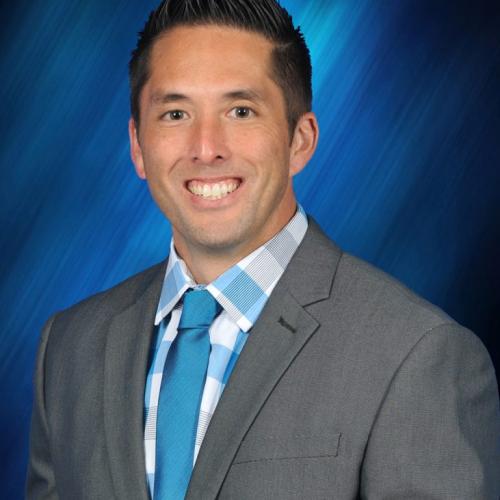
The ASPN Department of AI and Medical Technology is an inaugural and developmental project created in anticipation of the rapid technological advances transforming modern medicine. The department’s first initiative is the launch of the ACCESS AI Initiative (Accelerating Clinical Collaboration, Education, and Strategic Sponsorship in AI).
Its mission is to position ASPN as the global hub for applied medical AI by connecting clinicians, innovators, and industry partners to shape the next generation of AI-driven pain care. The department is finalizing leadership appointments, sponsor partnerships, and the inaugural ACCESS AI Webinar Series, beginning in Q1 2026 with the topic “The Role of AI in Optimizing PNS Access and Outcomes.”
Future technology tracks will broaden to encompass a wide range of innovations within the neurosciences. Through collaboration with leading device manufacturers and AI innovators, ASPN seeks to educate, unify, and empower the field toward safer, smarter, and more predictive models of patient care. The future of medicine is undeniably data driven, and ASPN is poised to lead that transformation by staying ahead of the rapidly evolving landscape driven by artificial intelligence.

ARMED FORCES DIVISION
The Armed Forces Division (AFD)
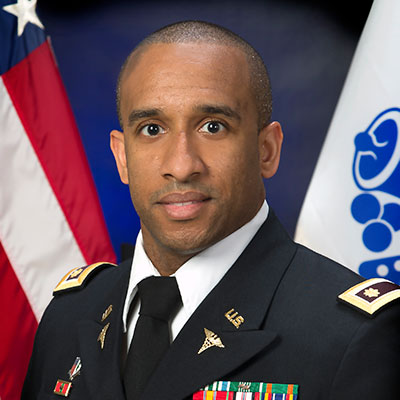
The Armed Forces Division (AFD) of the American Society of Pain and Neuroscience serves as a strategic and collaborative body dedicated to advancing the science, education, and delivery of pain care for active-duty service members (ADSM), veterans, and military beneficiaries.
The division unites active-duty military physicians, veterans, and Department of Veterans Affairs clinicians who collectively provide care across the Military Health System and Veterans Health Administration, representing a global network of subject-matter experts committed to improving outcomes for those who have served.
Musculoskeletal injury and chronic pain represent some of the most prevalent and operationally impactful medical conditions within military populations. Among U.S. veterans, chronic pain prevalence approaches 50%, significantly exceeding rates in the civilian population and frequently coexisting with behavioral health conditions such as PTSD, depression, and TBI. These realities create unique clinical, operational, and policy challenges related to deployability, readiness, and long-term functional recovery.
The mission of the AFD is to advance awareness, access, and excellence in multidisciplinary pain care for ADSM and veterans through the following strategic priorities:
Education and Knowledge Dissemination
Develop and deliver high-quality educational platforms that highlight best practices in interventional pain medicine, rehabilitation, and behavioral health integration relevant to military and veteran populations.
Clinical Collaboration and Best Practice Exchange
Foster collaboration among clinicians practicing across military treatment facilities, VA medical centers, academic institutions, and private practice, enabling the sharing of operational lessons, innovative techniques, and patient-centered strategies.
Advancement of Evidence-Based Care
Promote research and clinical initiatives addressing the unique pathophysiology and functional demands of military populations, including axial spinal loading injuries, combat-related trauma, degenerative spinal disease, and complex chronic pain syndromes.
Strategic Advocacy for Military and Veteran Health
Serve as a unified professional voice advocating for improved access to interventional pain therapies, multidisciplinary rehabilitation, and behavioral health resources for ADSMs and veterans worldwide.
Military pain physicians practice across diverse and demanding environments, ranging from tertiary academic medical centers to deployed or resource-limited operational settings, where innovation, adaptability, and cross-disciplinary collaboration are essential. This breadth of clinical experience reflects and strengthens the mission of ASPN, which seeks to integrate multidisciplinary perspectives.
Through its expanding network of military and veteran health experts, the Armed Forces Division aims to improve global access to advanced pain care, accelerate the translation of emerging technologies and therapies, and enhance the readiness, recovery, and long-term quality of life of those who have served our nation.
YOUNG INNOVATORS
The Young Innovators track at ASPN continues to grow each year, providing a platform for early-career physicians, fellows, and residents from diverse specialties to connect and collaborate on advanced pain therapies. The program encourages mentorship, sparks new ideas, and helps build relationships that will shape the future of interventional pain medicine.
Join us for a weekend focused on networking and exposure to neuromodulation, minimally invasive spine interventions, and emerging therapies for spine and peripheral nerve disorders. Attendees will connect with leaders in the field while meeting peers who share a passion for innovation in pain care.
Last year’s Young Innovators reception had our largest turnout to date and showcased the energy of this growing community. This year, we’re building on that momentum with expanded programming and the inaugural Young Innovators Pickleball Tournament.
We look forward to seeing everyone in Miami!

NEUROSURGERY
The Neurosurgery Section at ASPN
The true strength of ASPN lies in its diversity—uniting professionals from across the full spectrum of pain and spine care. Within the Neurosurgery Section, we recognize that collaboration between interventional pain specialists and spine surgeons is essential to advancing patient outcomes.
Together, we tackle complex disorders with complementary perspectives, combining precision-based surgical innovation with expertise in targeted, minimally invasive pain therapies. This partnership enables earlier interventions, fewer surgeries, and more holistic solutions tailored to each patient’s needs.
The ASPN Annual Conference uniquely fosters these exchanges, creating space for shared learning, scientific discovery, and mutual respect. By continuing to bridge our specialties, we ensure that the next generation of patients benefits from the collective expertise of all who are dedicated to restoring function and relieving pain.